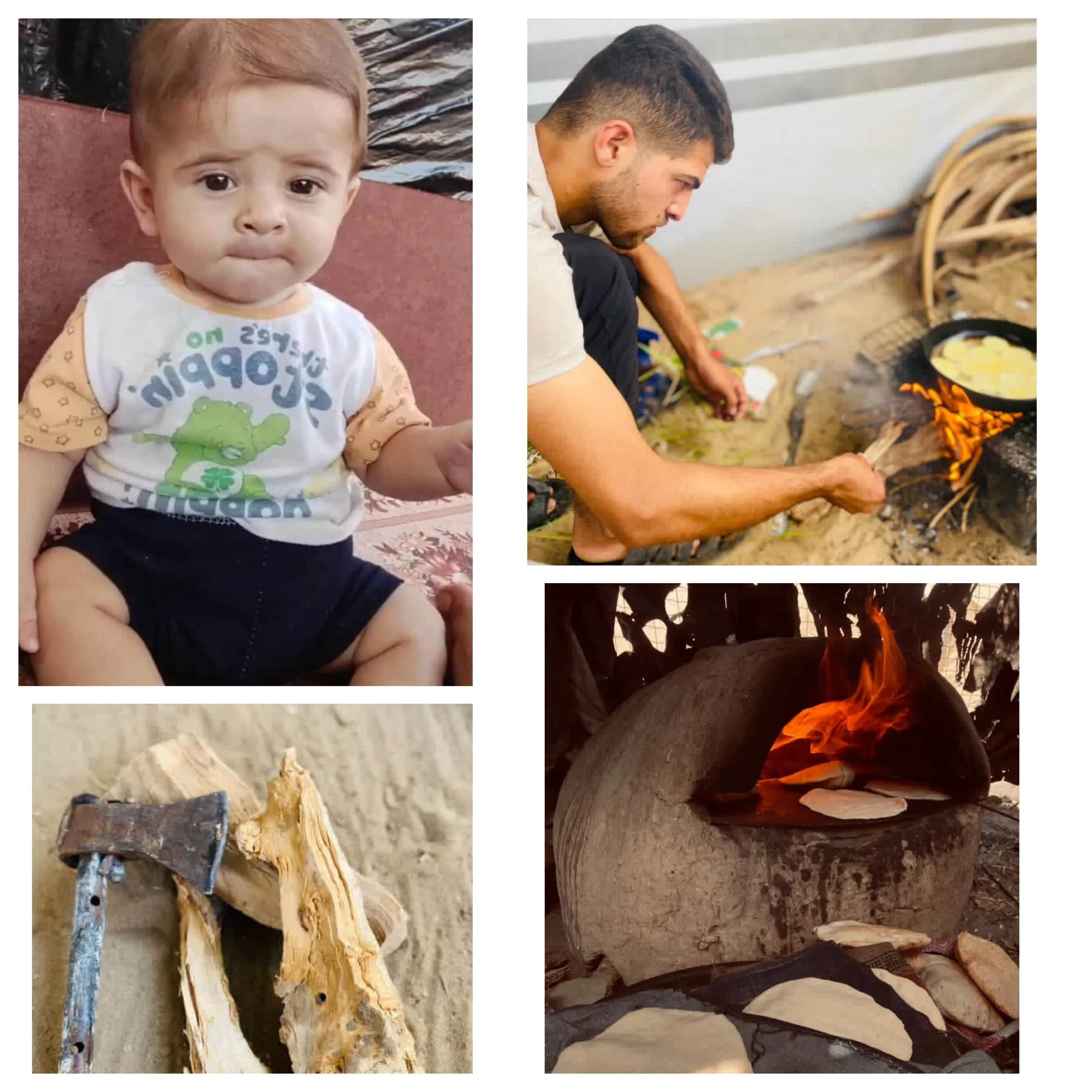
Saja Ismail Muhammad Al-Farra, 26, “I wish people knew how much we love life, and how much we long to live comfortably”
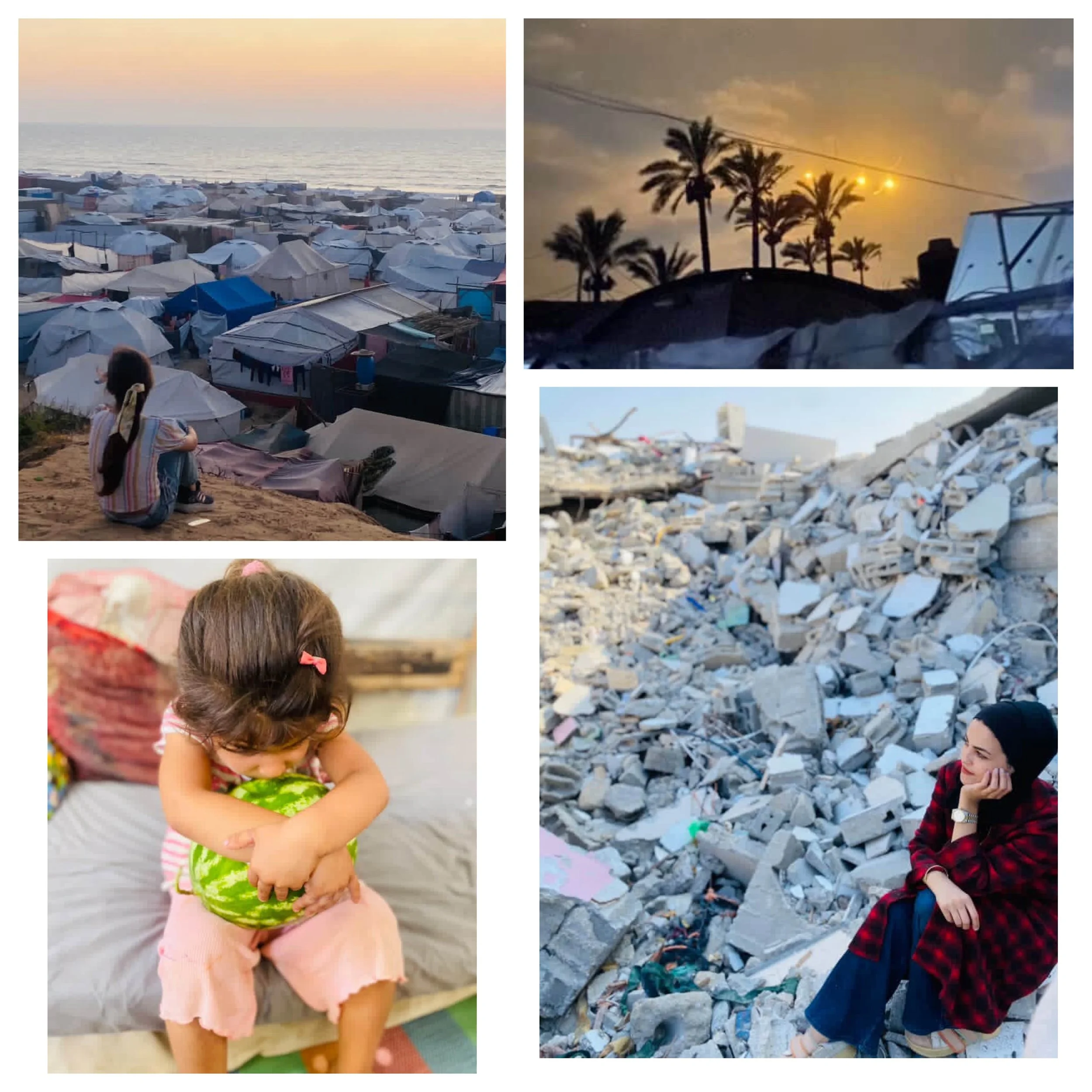
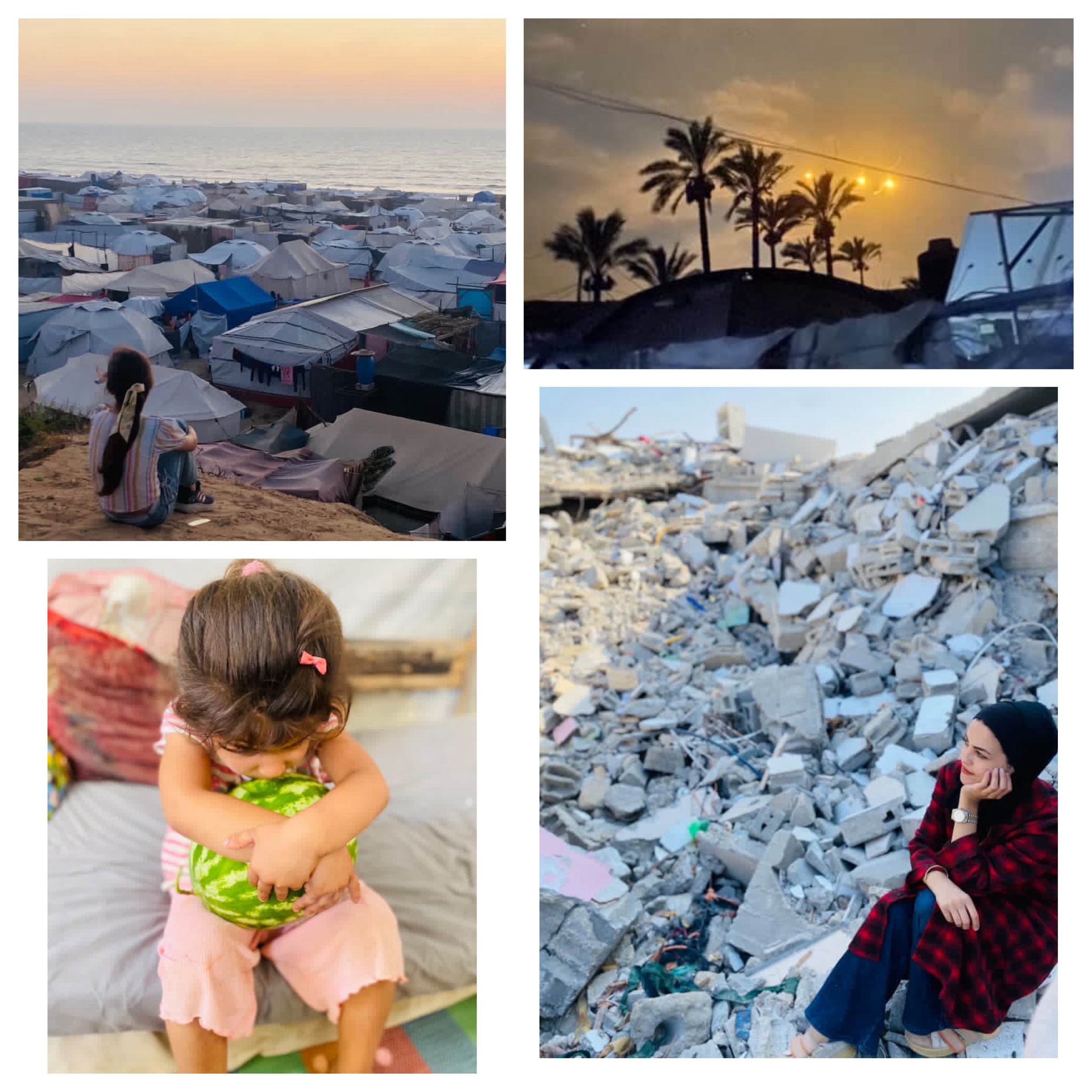
Saja Ismail Muhammad Al-Farra, 26, reached out to me from her hometown of Khan Younis, Gaza, Palestine a short time ago, where she is living by the sea in a tent with her mother, father, three brothers, and sister at the moment, as the genocide against the Palestinian people is ongoing as of May 2026.
We have been messaging since then with the intention of getting her story and Chuffed fundraiser in front of as wide an audience as possible.
Any income is difficult or impossible for many Palestinians at this time, but is especially needful as Saja’s mother and brother, Youssef, face serious medical issues that bring growing debts with them.
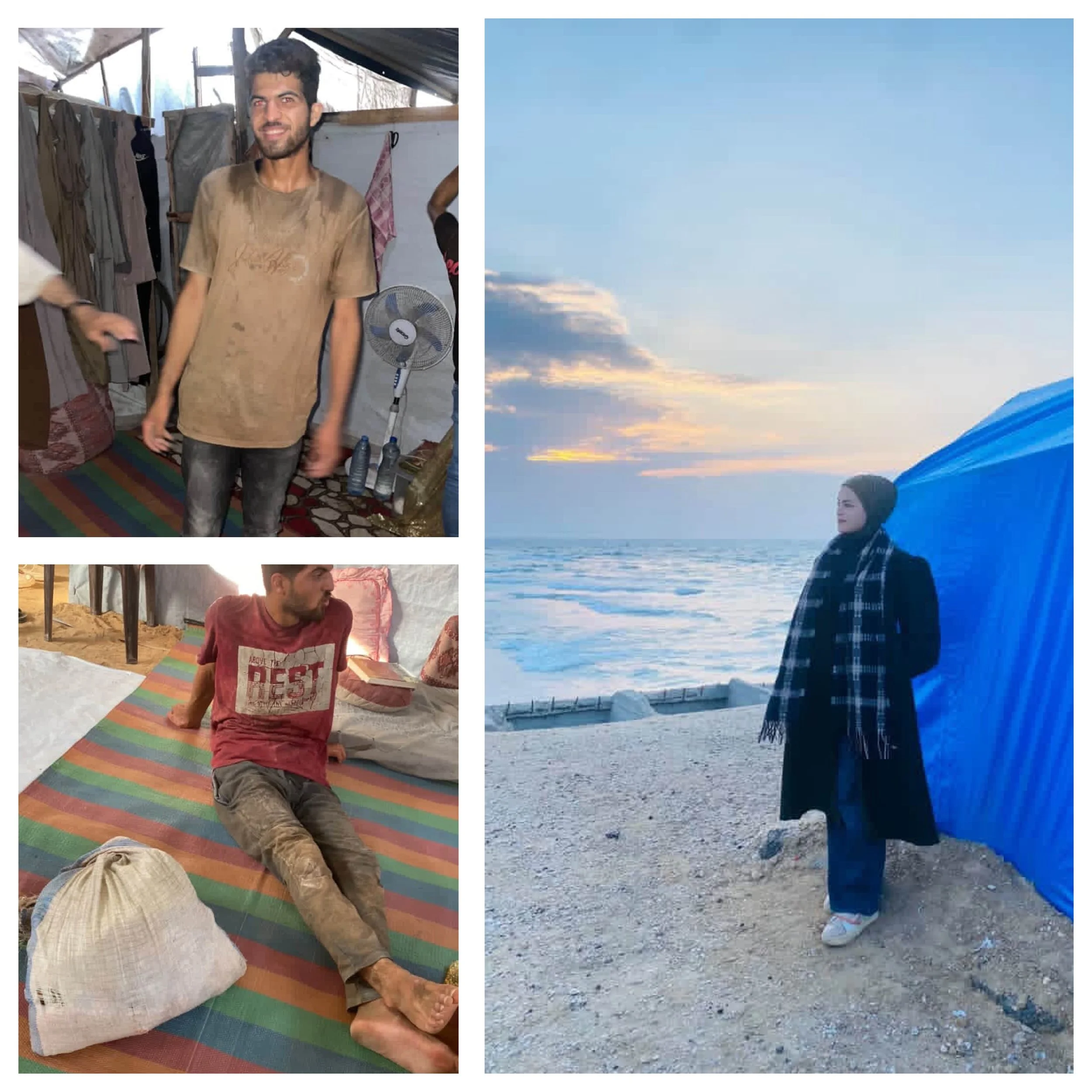
Youssef is currently staying at a local hospital with a condition Saja described as “serious” and on account of “the contamination caused by the war and the conditions in the tents, and he requires treatment.”
The exact nature of this condition remains a mystery, as Saja said, “the doctors don't know what's wrong with him. They tell them it's because of the tents, the illnesses, and the missiles. He's suffering from stomach problems…. The doctor told me there are many similar cases due to the missiles, and… (W)e are worried about him and distressed because of the exorbitant costs we need due to the distance from the hospital and the treatment costs.
“The situation here is very tragic,” Saja said, “and it’s all because of the war and the occupation.”
Saja said that before the ongoing attacks began at the end of 2023, “we lived in a beautiful house, had jobs, and a good life…. We had many wonderful things, and were surrounded by our family and relatives.”
She owns a university degree in English education, and had enjoyed sharing her love of language with young people before the ongoing sieges pushed her and her family into the refugee camps they live in at present.
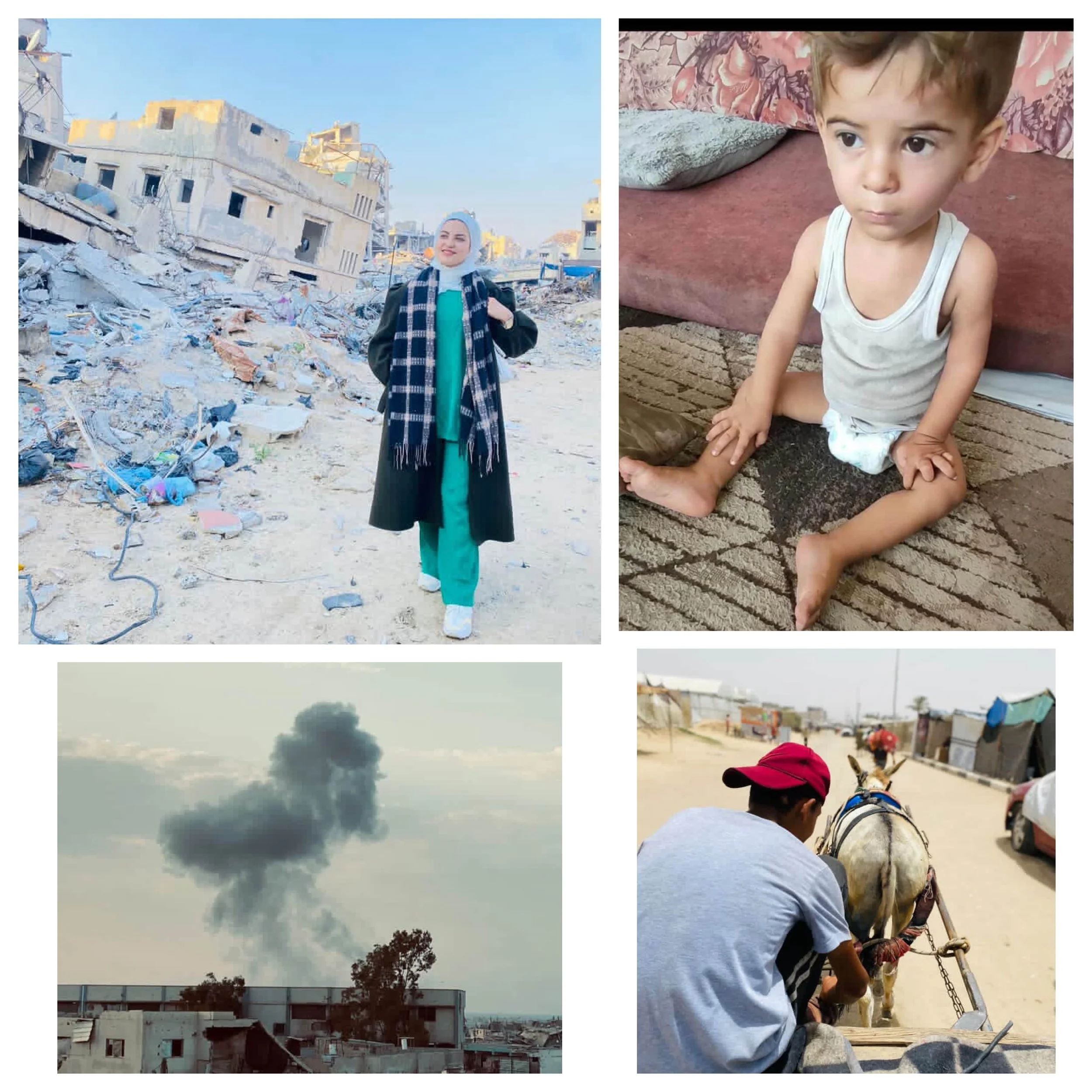
Speaking to the videos and photos Saja sent to me, she said the little girl washing and the boy waving the plane at her sister Eileen, 4, and Ismail, 2, respectively.
“They are small children who have suffered since they were very young and have never known joy,” Saja said. “They need food and clothing, and they have nowhere to take shelter.”
After being displaced, Saja said that food and water come by way of small portions and increasing expenses, since, “We have to wait for the water truck to get a single bucket, and sometimes we can't even get enough money because of the crowds. Food is also very expensive, and not all varieties are available in the market.”
Saja was generous in sharing about the loss of her brother’s wife’s unborn child, which she said a doctor attributed to the fallout from frequent airstrikes. She said the missiles carry with them a smell that speaks to the deadly chemicals they release after exploding.
To show support for Palestinians is an honor for me, and it is humbling to experience the trust and generosity Saja and others have shown in allowing me to help elevate their stories through my writing.
Per usual, I asked Saja what she would like people to know about her life at the moment, and her answer emphasizes how reasonable it is that all people deserve dignity, sustenance, and shelter for themselves and their loved ones.
“I wish people knew how much we love life, and how much we long to live comfortably,” said Saja. “We wish to live in a house with my family and have a source of income.”